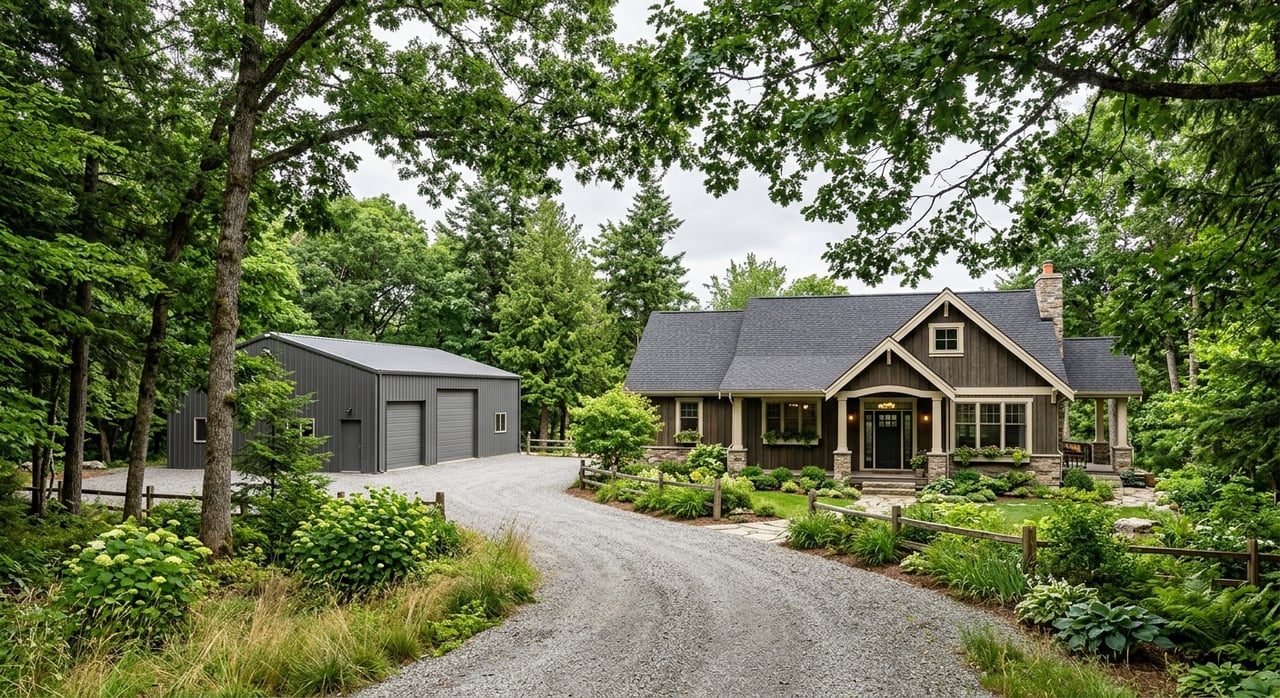
Guide to Buying Grants Pass Homes With Land and Acreage
April 23, 2026
April 23, 2026
If you are dreaming about a home with elbow room near Grants Pass, you are not alone. More land can mean more privacy, more flexibility, and more space to enjoy Southern Oregon living, but it also comes with questions that do not always show up in a typical in-town home search. This guide will help you understand what to check before you buy, how financing may work, and which details matter most when a property includes acreage. Let’s dive in.
Buying a home with land around Grants Pass is often more complex than buying in a standard subdivision. According to Josephine County planning materials, rural residential areas are designed to preserve rural character while allowing low-density homesites.
That matters because a larger parcel may come with site-specific rules tied to zoning, access, utilities, and future improvements. The county also notes in its residential permit procedures that residential permit standards do not apply the same way in commercial, industrial, or resource zones like farm or forest land.
Before you fall in love with the views or the extra space, confirm how the property is zoned. Zoning affects what the property is considered today and what may be allowed later if you want to add structures, change use, or make improvements.
This is especially important when a listing includes acreage. A parcel can look residential on the surface, but lenders, appraisers, and county departments may all look closely at whether the property is truly residential in nature and whether its current use matches local rules.
Access is one of the first items to verify on a rural property. Under Josephine County access standards, new lots or parcels must generally connect to a maintained county road or street, a state highway with an access permit, or a private road easement with a recorded maintenance agreement.
In plain terms, you want to know exactly how you get to the property and whether that access is legal and properly documented. If the driveway connects to a county road, the county says a road approach permit may be needed through Public Works. If it connects to a state road, you may need to look to ODOT requirements.
Many homes with land around Grants Pass rely on private wells. If that is the case, you will want to learn not just whether the well exists, but also how it has been maintained and what recent testing shows.
The Oregon Department of Environmental Quality and Oregon Health Authority recommend testing private wells every one to two years. Oregon law also requires a seller of property with a domestic well to test for arsenic, nitrates, and total coliform bacteria when the seller accepts an offer.
If the property uses shared or public water instead, ask who operates the system, how billing works, and whether there are ongoing maintenance obligations tied to ownership. Oregon treats a system serving more than three homes or connections as a public water system, so it is worth getting clarity before you close.
Septic systems deserve early attention on acreage properties. The location and condition of the system can affect your future plans for additions, detached structures, driveways, and other site changes.
The Oregon DEQ septic guidance recommends having a septic system professionally evaluated when buying or selling a home. If an evaluation is done, it must use the approved state form.
That means you should ask where the septic system is located, whether there are records of past service or repairs, and whether anything about the system could limit future use of the land. A property can have plenty of space on paper while still having practical limitations on where you can build or expand.
One of the most helpful ways to understand a rural property is to review the site plan. Josephine County’s building review checklist calls for a scaled site plan that shows property lines, setbacks, easements, the structure footprint, and the locations of wells, septic systems, and utilities.
That checklist is useful for buyers too. It gives you a practical picture of how the property is laid out and what may affect future plans.
You should also review any detached improvements on the property. Under Josephine County code, sheds, storage containers, and other detached structures can still count as structures for setbacks and permit purposes.
So if a property has a barn, shop, shed, or container, do not assume it is a simple bonus feature. It may be important to confirm whether it was properly placed, whether permits were needed, and how it fits current county requirements.
Acreage purchases usually go more smoothly when you verify records early. Josephine County’s public property access system can help you search ownership records, mailing addresses, tax maps, and parcel details by location.
This is a smart place to confirm the legal description, tax lot information, and whether the county records match what is being marketed. You should also ask for well log and well ID information, since Oregon’s well water handbook treats these records as important for future ownership and maintenance.
Acreage does not automatically make financing harder. What matters most is whether the property still fits the rules of the loan program and whether it is clearly a residential property.
For some buyers, the USDA Section 502 Guaranteed Loan Program may be worth exploring. USDA says the program can offer 100 percent financing for qualifying primary residences in eligible rural areas, subject to income limits and address-based eligibility.
Conventional financing may also work, but lenders will look closely at land use. Fannie Mae’s property eligibility guidance says it does not purchase mortgages on vacant land, land-development properties, agricultural properties such as farms or ranches, or properties that are not readily accessible by roads meeting local standards.
That does not mean a home on acreage is off the table. It means lenders often focus on three big questions:
Appraisals on acreage homes can require extra analysis. Fannie Mae appraisal guidance says that in rural or less developed areas, lenders and appraisers should consider the property’s characteristics, zoning, and present land use.
The same guidance notes that a typical two-acre homesite may still be eligible if it matches neighborhood norms and comparable sales. If a parcel is much larger than nearby comparable properties, the lender may look more closely at how that extra land affects value and eligibility.
This is one reason it helps to work with an agent who can help you think through the property from both a lifestyle and financing perspective. The land may be part of the dream, but the structure of the deal still matters.
When you buy a home with land, you are often buying responsibility for the systems that support it. That can include the well, septic system, access road agreements, utility setup, and records tied to the property.
Oregon guidance says private well owners are responsible for ongoing maintenance and water safety, and regular testing is recommended. The well water handbook also explains that exempt domestic groundwater use has limits, so if you are thinking about irrigation, animals, or a larger garden, it is smart to understand water-use rules early.
A good ownership file for a rural property should include:
Keeping these items organized can help with future repairs, resale, lender questions, and later improvements.
If you are considering a home with land around Grants Pass, here are some of the most important items to verify before moving forward:
Buying a rural or semi-rural property can absolutely be a great move, especially if you want more flexibility and space. The key is making sure the land supports your goals, your financing, and your long-term plans.
If you want guidance as you explore homes with land in Grants Pass or elsewhere in Southern Oregon, Mayra Valencia can help you navigate the details with clear, step-by-step support.
Stay up to date on the latest real estate trends.
Experience strategic negotiation, clear communication, and expert guidance at every stage of your real estate journey. Whether buying, selling, or relocating, you can expect dedicated representation and results delivered with integrity.