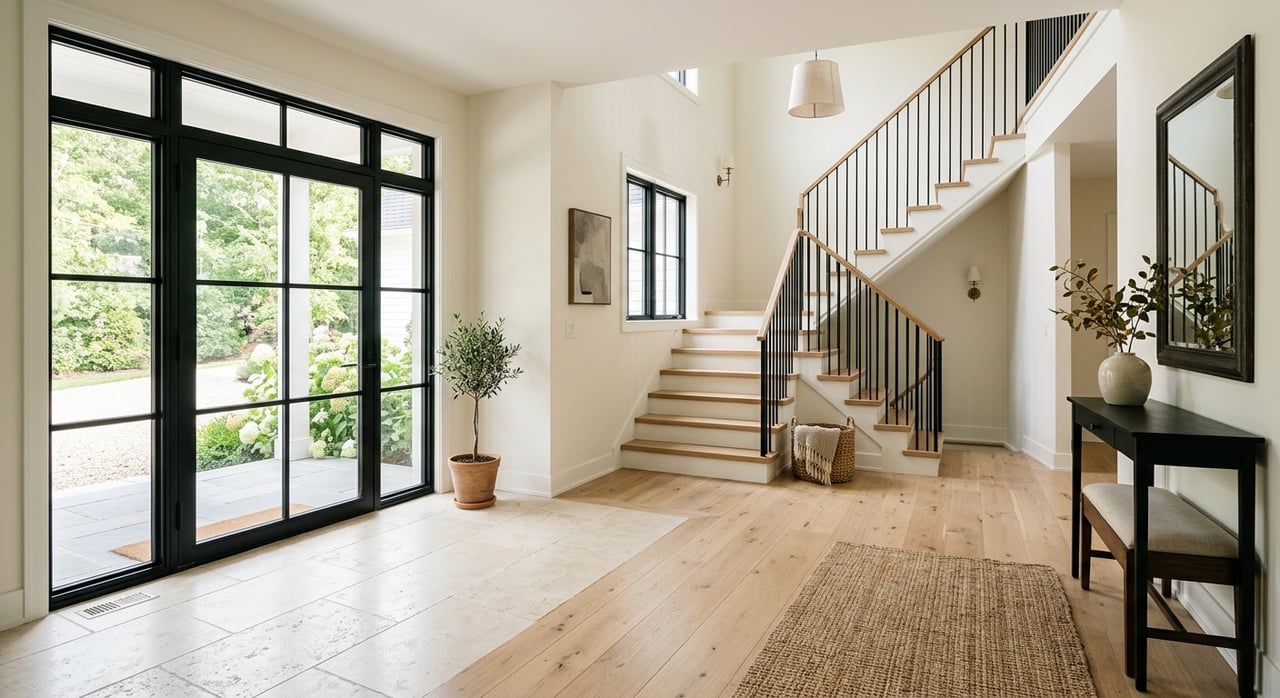
Your Guide to Moving to Grants Pass From Out of Area
May 7, 2026
May 7, 2026
Moving to a new city from out of area can feel exciting and overwhelming at the same time. If Grants Pass is on your radar, you are probably trying to figure out what daily life looks like, how different parts of town compare, and what you should verify before choosing a home. This guide will help you understand the practical side of relocating to Grants Pass so you can make a more confident move. Let’s dive in.
Grants Pass is a compact Southern Oregon city with a population of 40,380 as of July 1, 2025. Josephine County has 89,686 residents, and the city covers 11.52 square miles at an elevation of 948 feet. The city also lists a median family household income of $59,646 and a median value of owner-occupied housing of $382,600.
For many out-of-area buyers, Grants Pass stands out because it offers a smaller-city feel with access to everyday services, outdoor recreation, and regional connections. It is also close enough to Medford for airport access, which can make travel and relocation logistics easier. If you are comparing Southern Oregon communities, Grants Pass often appeals to people who want a city that feels manageable and connected to nature.
Before you start narrowing down homes, it helps to understand how locals think about the city. Grants Pass is divided into four wards, and major dividing lines include the Rogue River, 6th Street and Scoville Road, Lincoln Road, and Highway 199. In practical terms, many people use simple location shorthand like north of the river, south of the river, or west or east of 6th Street.
That matters because your day-to-day routine can feel very different depending on which side of these dividing lines you live on. The city also references south-of-river areas such as Fruitdale, Harbeck, and Redwood in planning materials. If you are moving from out of town, these labels can help you organize your search and ask better questions during showings.
One of the most important steps in Grants Pass is confirming whether a property sits inside city limits, inside the Urban Growth Boundary, or in county-managed rural territory. This is not just a technical detail. It can affect which planning rules apply and how the property is managed.
According to the city’s planning division, the Comprehensive Plan and Development Code apply to urban-zoned properties within the UGB. Some properties that are now inside the UGB still have rural zoning and remain under Josephine County management. That means two homes that seem close together may have different rules, review processes, or development limits.
If you are relocating, this is worth checking early instead of after you fall in love with a property. The city says its UGB map is the current record for the boundary, so parcel-level verification is key.
Out-of-area buyers sometimes assume utility access is straightforward, but in Grants Pass it can vary by parcel. Water and sewer eligibility are especially important to confirm before moving forward. This is true even if homes are on the same road.
The city says properties inside the city boundary with a water main in the frontage are generally eligible to connect to city water. Properties inside the UGB typically need that same frontage plus a Service and Annexation Agreement. The city also states that it is responsible for wastewater disposal for homes and businesses in the city and UGB.
This is one of those details that can affect both convenience and planning. If you are comparing city, edge-of-city, and more rural-feeling properties, utility verification should be part of your first review, not your last.
Grants Pass offers a lot of natural beauty, and the Rogue River is a big part of the city’s identity. But when you are moving from out of area, it is important to balance scenic appeal with property-specific risk checks. In Grants Pass, flood and wildfire exposure should be part of your decision process.
The city says 9% of city land is in the 100-year floodplain, and the Rogue River can flood nearby lowlands. The city also notes that standard homeowner or renter insurance does not cover flooding. If a home is near the river or another low-lying area, you will want to check the city’s flood-zone tools and maps carefully.
Wildfire is another factor. The city’s wildfire resources identify North and South Grants Pass wildfire hazard zones, and the Firewise program notes that some neighborhoods are more vulnerable because of ridge-top or open-land exposure. A home’s setting can make a real difference, so it is smart to review the specific parcel rather than rely on general assumptions about the area.
A home can look perfect online and still feel inconvenient once you live there. That is why a realistic scouting routine matters so much when you are relocating. In Grants Pass, location-sensitive systems can change how easy your daily life feels.
A strong visit should include:
Because Grants Pass is compact, some buyers expect everything to feel equally close. In reality, small shifts in location can change convenience quickly, especially when highways, river crossings, or route patterns are involved.
Josephine County Transit operates the local bus system in Grants Pass. Fixed routes run Monday through Friday from 6:30 a.m. to 7:00 p.m., and commuter routes run Monday through Friday from 5:35 a.m. to 7:25 p.m. Route 100 connects Grants Pass with Rogue River, Gold Hill, and Medford.
The transit network includes key stops like Rogue Community College, Walmart, Grants Pass Shopping Center, and Grants Pass High School. Transfers can also be made to and from RVTD with a valid transfer. For some households, that makes transit a usable option for part of the week.
Still, this is a weekday-centered system, so many residents will want a car for errands, appointments, and flexibility. The city also publishes bike maps, high-traffic-area guidance, and alternate routes. During winter, the city points residents to TripCheck for road-condition updates, which is helpful if you are still learning local travel patterns.
If you travel often or expect friends and family to visit, airport access matters. Grants Pass does not have a commercial passenger airport of its own. The city says Rogue Valley International Airport in Medford is about a 30-minute drive and is the closest international airport.
Grants Pass Airport serves helicopters and small private aircraft only. For most relocating households, that means Medford will be your main air-travel hub. This setup is manageable, but it is helpful to build that drive time into your planning from the start.
For many households, school boundaries are a core part of the relocation search. Grants Pass School District 7 reports 11 schools and about 5,700 students, including 6 elementary schools, 2 middle schools, and 3 high schools. The district also notes that more than 20 languages are spoken by staff, students, and families.
The district provides school boundary maps and bus routes, which makes it easier to check a specific address before you make a decision. If school assignment matters to your move, verify the property directly rather than assuming a home feeds into a certain campus.
Beyond schools, everyday support matters just as much. The Grants Pass branch of Josephine Community Library is located at 200 NW C Street and offers computers and Wi-Fi, printing, technical support, curbside pickup, hotspot and laptop checkout, and meeting space. The city’s health-resources page also lists Asante Three Rivers Medical Center, urgent care options, a county health clinic, WIC, and a range of mental-health and substance-use services.
One reason many people consider moving to Grants Pass is the outdoor lifestyle. The city maintains more than 20 parks and green spaces. Riverside Park, along the Rogue River, includes a playground, spray park, rose garden, softball and soccer fields, a walking path, and a disc golf course.
Riverside Park also hosts the annual Boatnik Festival. Reinhart Volunteer Park, also along the Rogue River, offers sports fields, fishing ponds, volleyball courts, and seven shelters. If access to parks and outdoor recreation is part of your quality-of-life checklist, Grants Pass gives you a lot to explore.
At the same time, riverfront appeal should always be paired with flood-map review. In Grants Pass, the best move is usually a balanced one: enjoy the natural setting, but verify the practical details tied to the property.
If you are moving to Grants Pass from out of area, a step-by-step approach can save you time and stress. The city’s local systems vary more by location than many buyers expect, so a little extra due diligence goes a long way.
Use this checklist as a starting point:
This kind of process is especially helpful when you are buying from a distance and trying to make decisions quickly. It keeps your focus on how the home will function for your life, not just how it looks in photos.
If you are planning a move to Grants Pass and want local guidance that helps you sort through neighborhoods, logistics, and next steps with clarity, Mayra Valencia is here to help.
Stay up to date on the latest real estate trends.
Experience strategic negotiation, clear communication, and expert guidance at every stage of your real estate journey. Whether buying, selling, or relocating, you can expect dedicated representation and results delivered with integrity.