The Grants Pass Downtown Tax Break That Comes With a Countdown Clock
August 27, 2026
August 27, 2026
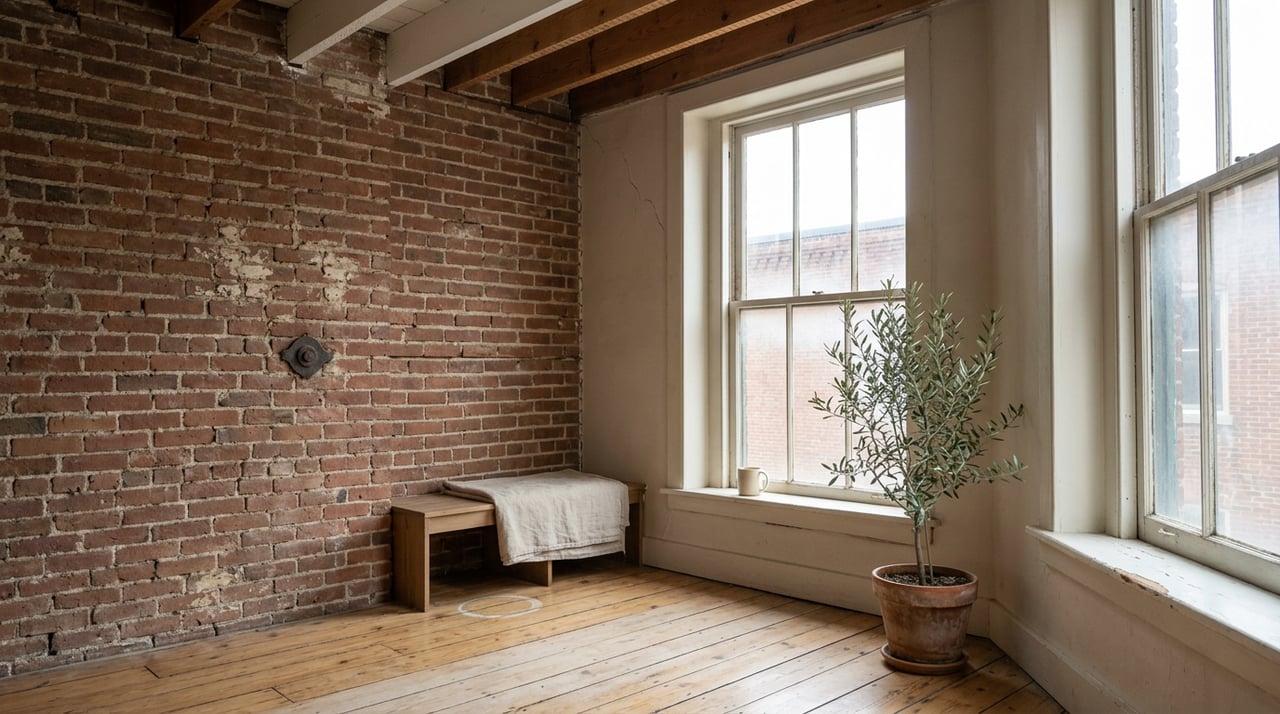
A buyer touring Grants Pass this month might stand in a loft above a Sixth Street storefront, then drive fifteen minutes to a three-bedroom home in a newer subdivision, and find the two listed at nearly the same price. What throws people is the property tax estimate. The suburban home's number looks like every other suburban home's number. The loft's number looks like a mistake.
It isn't a mistake. It's a Vertical Housing Development Zone exemption, and Grants Pass was the first city in Oregon to create one. The exemption is real, it's legal, and it can genuinely lower a buyer's monthly cost in year one. What almost nobody explains at the open house is that the low number is running on a clock that started before the buyer showed up, and the clock doesn't reset when the property changes hands.
According to the city's own Vertical Housing Development Program page, Grants Pass set up this zone specifically to attract investment in multistory downtown historic buildings that had upper floors sitting empty or underused. Building owners who convert those upper stories into residential units, while keeping the ground floor in commercial use, can qualify for a partial property tax abatement for up to ten years through a state-administered program. The rule is simple on paper: at least one ground floor stays commercial, one or more floors above it become housing, and the building owner applies for certification.
Oregon runs versions of this same program in other cities, and their published rules fill in the mechanics that the Grants Pass summary page leaves out. In Tigard, Wilsonville, and The Dalles, the abatement typically works out to roughly 20 percent off the building's assessed improvement value per qualifying residential floor above the commercial ground floor, capped around 80 percent, for up to ten years. The exemption applies to the added value created by converting the building, not to the land underneath it, unless the project includes affordable units. After the ten years run out, the full value goes back on the tax rolls and the county assessor starts billing the property at its actual worth.
That's the structure sitting behind the low number on the loft's listing sheet. It isn't a discount on the home. It's a temporary discount on part of the tax bill, tied to when the building itself was certified, not to whoever happens to own a unit inside it on any given day.
This isn't theoretical for Grants Pass right now. The historic Schallhorn-Harmon Building at 221 SE Sixth Street was awarded a $400,000 Oregon Main Street Revitalization Grant, one of 35 projects selected statewide out of 76 applications for its economic impact and preservation value. Construction was set to begin in summer 2025, with openings expected in 2026. That grant covers the renovation itself. The Vertical Housing exemption is the separate mechanism that would apply once the building is certified and its upper floors are occupied as housing.
A buyer who tours a unit in this building once its upper floors open isn't looking at a brand new ten-year clock. They're looking at whatever's left of the clock that started when the building got certified, which could be well before the buyer ever saw the listing. Say certification happens at completion and a buyer purchases three years later. That buyer inherits roughly seven years of reduced taxes, not ten. Nobody hands out a countdown timer with the keys.
The exemption is attached to the building's certification, not to the person who owns the unit. That has a few consequences worth sitting with before writing an offer.
First, the low tax line a buyer sees at closing reflects wherever the building is in its ten-year window right now, not a fixed feature of the unit going forward. A lender's estimate built on today's tax bill can understate what the buyer will actually owe five years from now, once the exemption steps down or expires.
Second, when the abatement ends, the jump isn't gradual. The property moves from a partially exempt assessment to full taxable value in one cycle. A household that budgeted around the discounted number can face a real increase in escrow with limited warning if nobody flagged the timeline in advance.
Third, resale gets more complicated as the clock runs down. A unit sold with two years of abatement left is a different financial proposition than the same unit sold with eight years left, even at an identical price, because the buyer's holding-period tax exposure is completely different.
Before making an offer on a unit in a Vertical Housing Development Zone building, it's worth asking a short list of direct questions:
These aren't questions a portal listing answers. They require pulling the certification record and asking the city's Economic Development office directly, which is a step most buyers never think to take because the tax line on the listing looks final rather than temporary.
Grants Pass built this incentive to solve a real problem: downtown buildings with empty upper floors and owners who had no financial reason to renovate them. It's working as intended. The Schallhorn-Harmon project is one visible result, and it won't be the last building on Sixth Street to go through this process as the city continues encouraging upper-story conversions downtown.
For a first-time buyer priced out of a larger suburban lot but drawn to walkable, downtown living, a unit in one of these buildings can be a legitimate path to ownership with a genuinely lower carrying cost for a stretch of years. The mistake is treating that lower cost as permanent instead of treating it as a discount with a known expiration. Run the math on both ends of the exemption window, not just the number on today's listing sheet, and the loft stops being a surprise and starts being a real option weighed on its actual terms.
Does the exemption transfer automatically when a unit sells? Yes, as long as the building remains certified and compliant with the program's use requirements. The remaining years on the clock pass to the new owner, but the clock itself doesn't restart.
Can every building on Sixth Street qualify? No. The building has to meet the program's structure, ground-floor commercial use with residential floors above, and the owner has to apply for and receive certification. Not every downtown building has done this, and not every conversion automatically qualifies.
Does this affect the land under the building too? Generally no. In comparable Oregon programs, the exemption applies to the added value from the building conversion itself, not the land, unless the project includes affordable housing units.
Southern Oregon's downtown housing stock is changing in ways that don't show up on a standard search filter. If you're weighing a unit inside one of these buildings against a more conventional purchase, Mayra Valencia can help you pull the certification timeline before you write an offer, not after. Let's Connect.
Stay up to date on the latest real estate trends.
Experience strategic negotiation, clear communication, and expert guidance at every stage of your real estate journey. Whether buying, selling, or relocating, you can expect dedicated representation and results delivered with integrity.